No Credit Card Sales Outside of United States of America
RedBone considers learning to run a call as being the same as learning to play a musical instrument. Get a good instrument, get good instruction and practice. That is the idea behind RedBone.
There are experts that say to try as many calls as you can to see which one fits you. RedBone believes all that technique will produce is a large drawer full of unused calls.
RedBone builds calls with little consideration for cost. That's why the prices start at $200. The calls are hand built and assembled after they are machined. If you want to make sure you have a call that can do all the tricks you want to learn how to do you’re at the right place - if your looking for something cheap that is “just as good” you are wasting your time here.
As in any other competitive activity the most serious players use the very best equipment they can find.
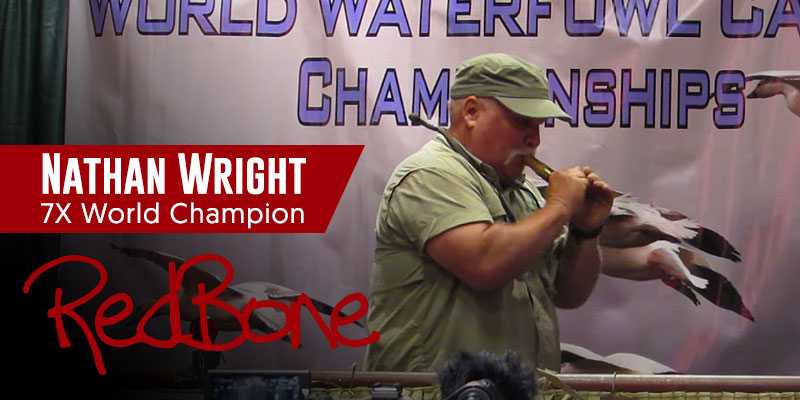
The 2012 World Championship Speck is RedBone's 8th consecutive world speck calling title - 8 world championships in a row.
2012 ... John A. Chaisson (also 2012 World Snow)
2011 ... John A. Chaisson (also 2011 World Snow)
2010 ... Nathan Wright
2009 ... Ken White
2009 ... Nick Patin - World Live Speck
2008 ... Nick Patin
2007 ... James Prince
2006 ... Nathan Wright
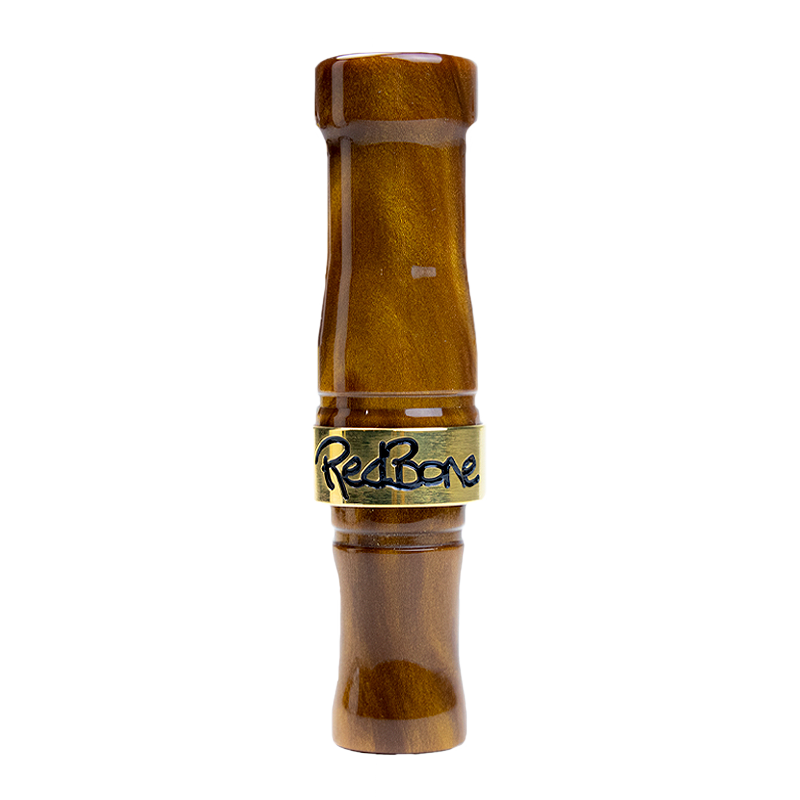
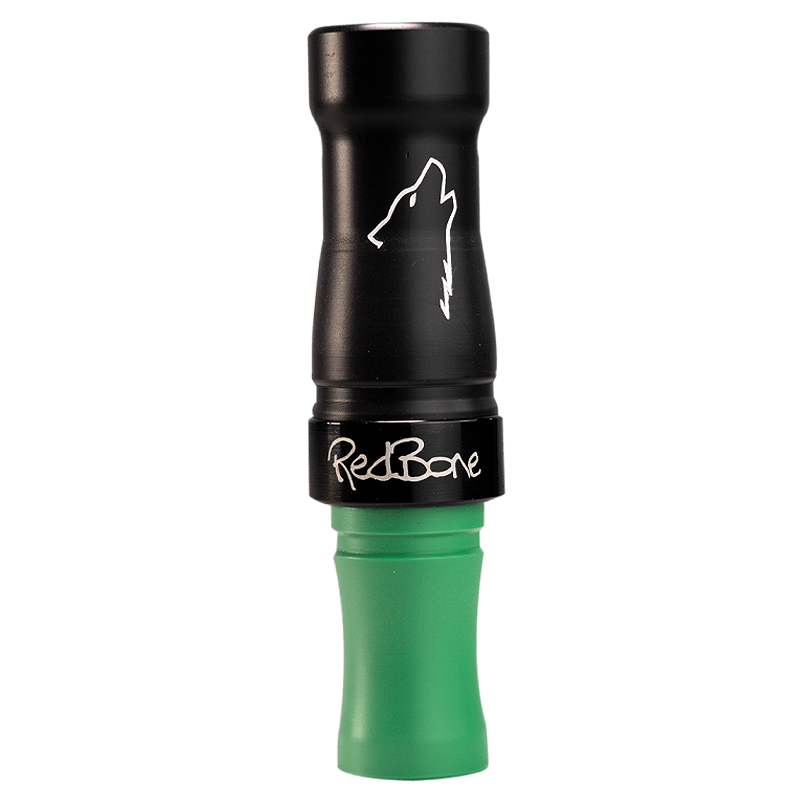
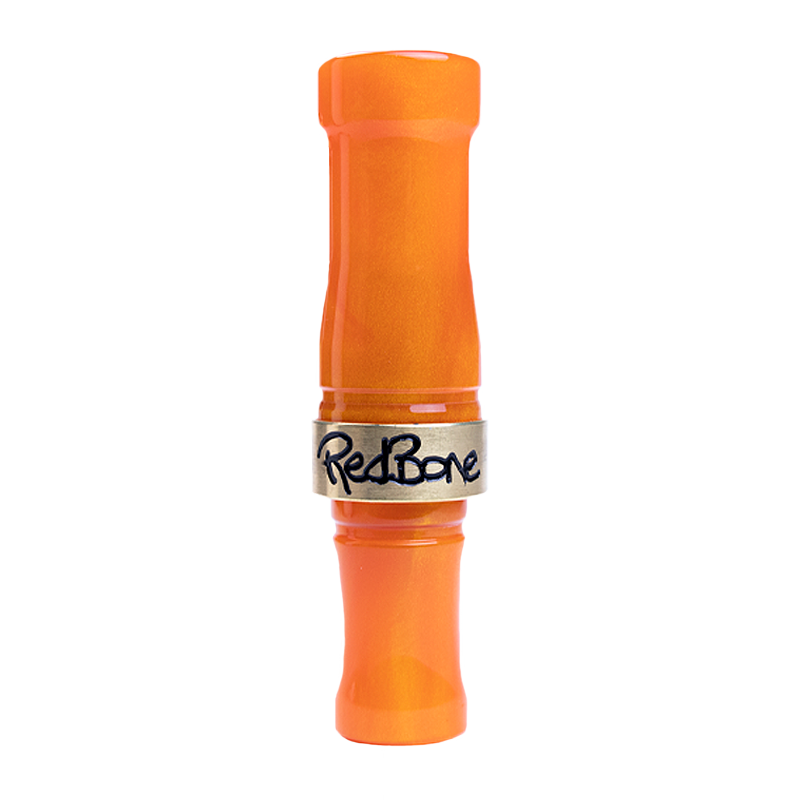
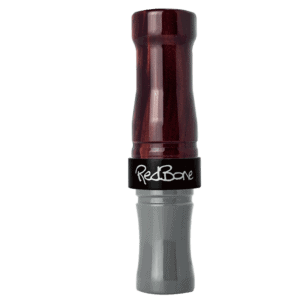
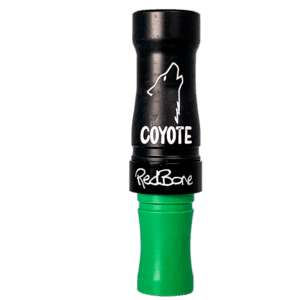
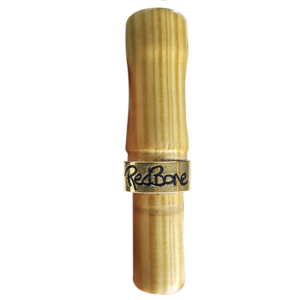
For 2013 RedBone is building a single reed speck call and a single reed snow goose call. They are being built on a new gut system. Still made from brass and still hand shaped but with a few added advantages for 2013.
The new system allows the call to be taken apart and put back together again blindfolded. If you need to clean the call, replace reed, change tone or for whatever reason need to take it apart - not a problem. The new guts will reassemble exactly as they were at the shop. No need to be a tuning "guru". If you've never assembled a call in your life, you'll have no trouble with the 2013 system.
RedBone does a lot of aftermarket personal tuning for our customers. This usually involves shipping the call back and forth a couple of times. So we designed into the 2013 guts a way for folks who are not and do not wish to become "tuning experts" a way they could make adjustments for themselves.
The new guts are designed to allow the customer to change the tonal characteristics to his preference without destroying the operating characteristics. This means that you change the tones in exactly the same way that its done with reeds in a single reed duck call. Same logic. Shorten reeds for faster, lighter cleaner. Longer for slower, deeper, dirtier.
Combine that with the blindfolded assembly characteristics and then with RedBone's sound and you have system that is unusually functional - and it runs like a RedBone.
RedBone calls are built for sound and the ideas involved with that vary considerably fromthe rest of the callmaking indutry. The 40 years of hunting, guiding and "tricking out" calls that are a part of RedBone's design came from is a combination of the backporch and Computer Numerical Control approaches.
It became obvious early on that trying to compete with large scale call manufacturing was impossible for RedBone. In fact the desire to manfacture, market and sell calls in the numbers that make the "big boys" so successful were parts of the industry that we wanted nothing to do with - competeing with domestic and overseas mass production is out of the question for RedBone - can't, won't and ain't gonna do that.
RedBone concentrates on the parts that make the sound - the reed the wedge and the toneboard - the parts that make the noise, thats where we spend the customers money. Getting those parts right is what RedBone is all about.
Our calls are not a fancy wrapper with cheap guts - Redbones cost more on the inside than they do on the outside. They are not a shiny acrylic barrel and insert on the outside with some cheap aftermarket plastic guts on the inside.
The musical grade brass that we are using in the toneboard is the same alloy that is used in the manufacture of trumpets, saxaphones, tubas, ect.. Musical instrument manufacturers have been using this material for many years for a reason - it has excellent tonal qualities and is dimensionally stable over a wide range of temperature and moisture conditions. And yes indeed, it is expensive.
The sound is our measuring stick - the live sound not the industry sound.
Thats why we put sound files that compare the sound of live birds with RedBone calls on this site - we want you to hear the level of accuracy and realism that our calls are capable of.
In our opinion sounding like a goose is the point - and more particular sounding like a speck or a snow thats engaging in the activities that your decoy spread is showing. That's why the webpage has so many sound files on it. We want you to hear what the calls sound like.
Its not rocket science.
With a call that is built for realism and enough practice that you can sound just like a speck or snow. We are sure of this because because we've seen people who could not do it, learn how to do it.
The instructional material you'll need to get you from starting out to a long ways down the road is free for the asking with the purchase of any Redbone call - its available if you want it and its free. USPS shipping and extra reeds are included.
The sound is in there and you can get it out.
Redbone Calls are built to sound like birds without any concern at all for how much money, time or effort it takes to build one, thats what RedBone is all about.
Saving money on construction materials and/or installing cheap guts then spending as little on "labor" as possible in order to maximize profit IS NOT what RedBone is about. If that sounds like something you'd like to have - get in touch with us - we can hook you up